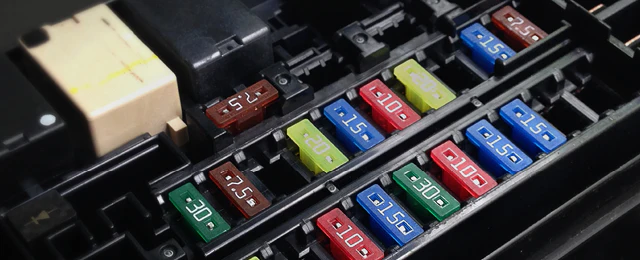
So you want to learn automotive electrical? If you said “yes”, that’s probably a good thing because in this new age of vehicles, they not only have a computer but now have several if not over 100 modules that all communicate with each other. Basically, electrical is taking over and the more you understand and can diagnose electrical problems, the more valuable you will be in the industry. Before we go any further I want to suggest a book that I learned a lot from Motor Age Training : A6 Electrical/Electronic Systems. This book is also a must have if you need help passing the ASE A6 electrical course.
Let’s start with the basics and discuss what you will need in order to become better at electrical and the tools you will need. Without getting too deep in Ohm’s Law. Georg Simon Ohm invented this method in 1827 and in summary basically means that voltage is the sum of amps (current) times Resistance (ohms). In order to calculate resistance (ohms), you would divide voltage and amps (current). If you are trying to find amps (current) you would divide voltage times resistance.
Voltage = Amps (current) x Resistance (ohms). Example – 12 = 3*4
Amps (current) = Voltage / Resistance (ohms). Example – 3=12/4
Resistance (ohms) = Voltage / Amps (current). Example – 4=12/3
It’s not heavily important to grasp the full concept of Ohm’s law but it does help with understanding how they it works. Now, lets talk about voltage, amps (current), and ohms (resistance). Usually, you will be given one analogy but I’m going to explain in two different ways because I think they are both great examples.
Water Hose Analogy:
Lets say you have a hose attached to an outside faucet with a nozzle on the end and the faucet is turned off. For voltage, you should think of it as electromotive force (EMF) or just simply pressure. When you turn on the faucet, that is your voltage, how much pressure is running through the hose. Now, how do we measure amps? Well, to measure amps, you would have to activate the nozzle and how ever much water is coming out of the nozzle is considered your amps and amps goes up or down based out of how much water is coming out of the nozzle. For Ohms (resistance), lets say you have the nozzle on full blast and then you put a kink in the line so that water isn’t flowing as fast as it was. That kink is your ohms(resistance). Now, before anyone argues with me, yes of course you already had a set resistance in the water line with the nozzle on full blast, but the more you weaken that current of water the more resistance you have.
Traffic Analogy:
I kind of like this analogy better and watching the Master Automotive Training YouTube video on ASE electrical made me want to use this. The speed limit or how fast the speed limit is in traffic will determine the Voltage. Once a traffic build up occurs, how fast traffic is moving is going to be your amps or current. When traffic slows down, that is when your know your ohms or resistance is going up. I like this analogy because it is a little bit easier to explain than the water hose but in essence they both explain the same thing.
Electrons and Electron Theory:
I’m going to be honest here, a lot of this really won’t make any difference in your electrical diagnostics career, but if it is interesting to you, looks up how electrons work and how they are negatively charged and all that good stuff. The main thing here is that there are 2 different types of theories. One is conventional theory and the other is electron theory. Conventional theory just states that electrons flow from positive to negative. Electron theory is reverse where electrons flow from negative to positive. Either way, your voltage reading on a battery in some car that won’t start is going to read the same, you know what I mean? (lol)
What tools do you need and what is essential:
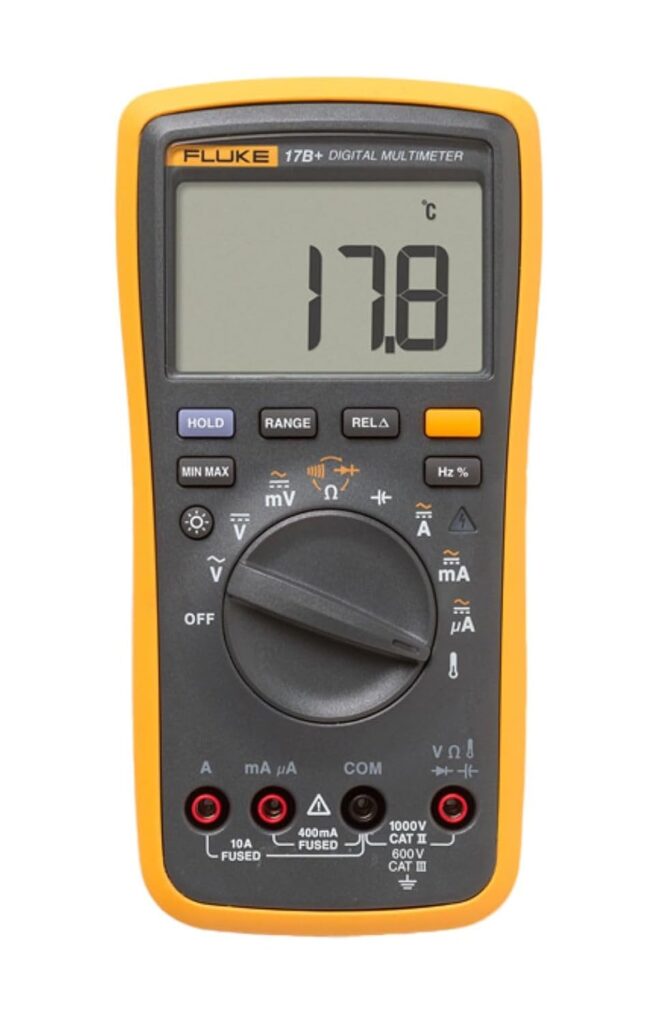
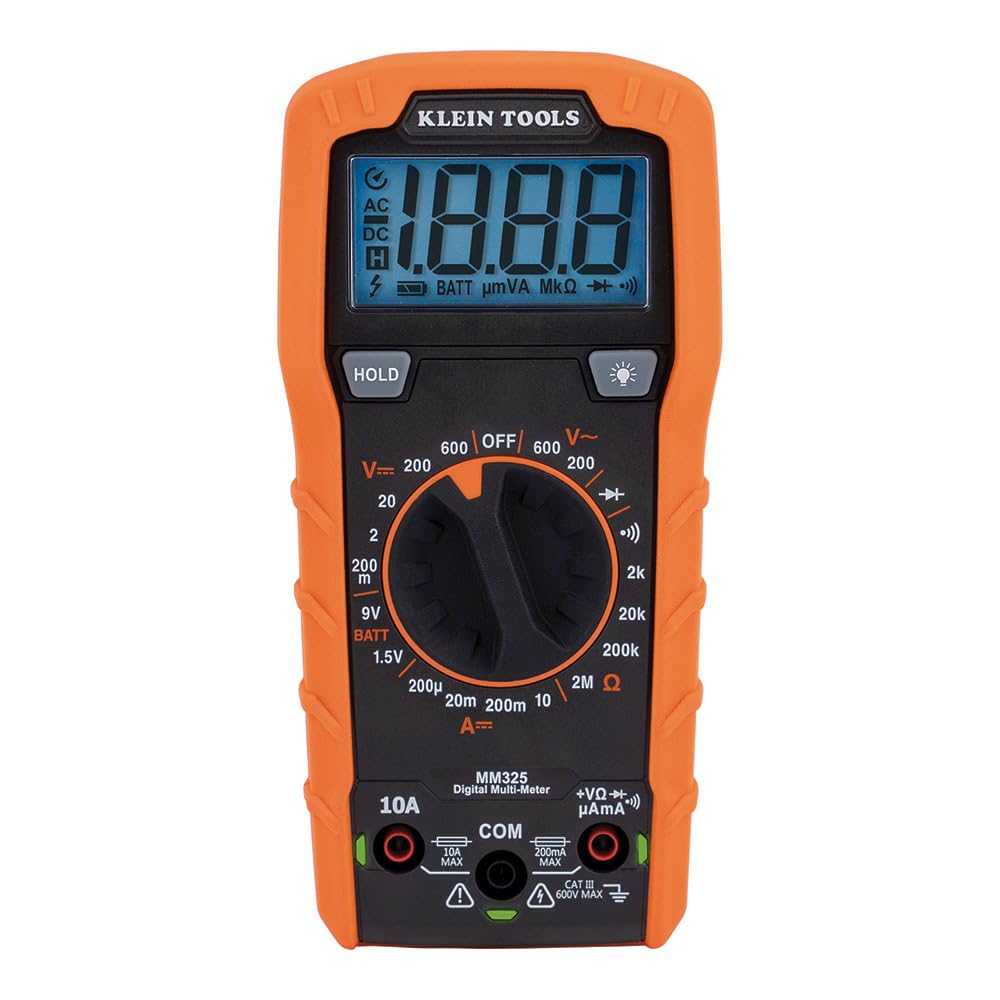
When dealing with any electrical problem, your base level of tools will have to start with a DVOM or Digital volt ohm meter. This is what you will use to measure voltage, amps and ohms. Here are a few on amazon that I really like:
One other thing you will really need, especially if you are dedicated to learning more about electrical, is a back probe kit. Now, wherever you are working right now should already have one but one kit I bought from amazon has been amazing, I will share here:
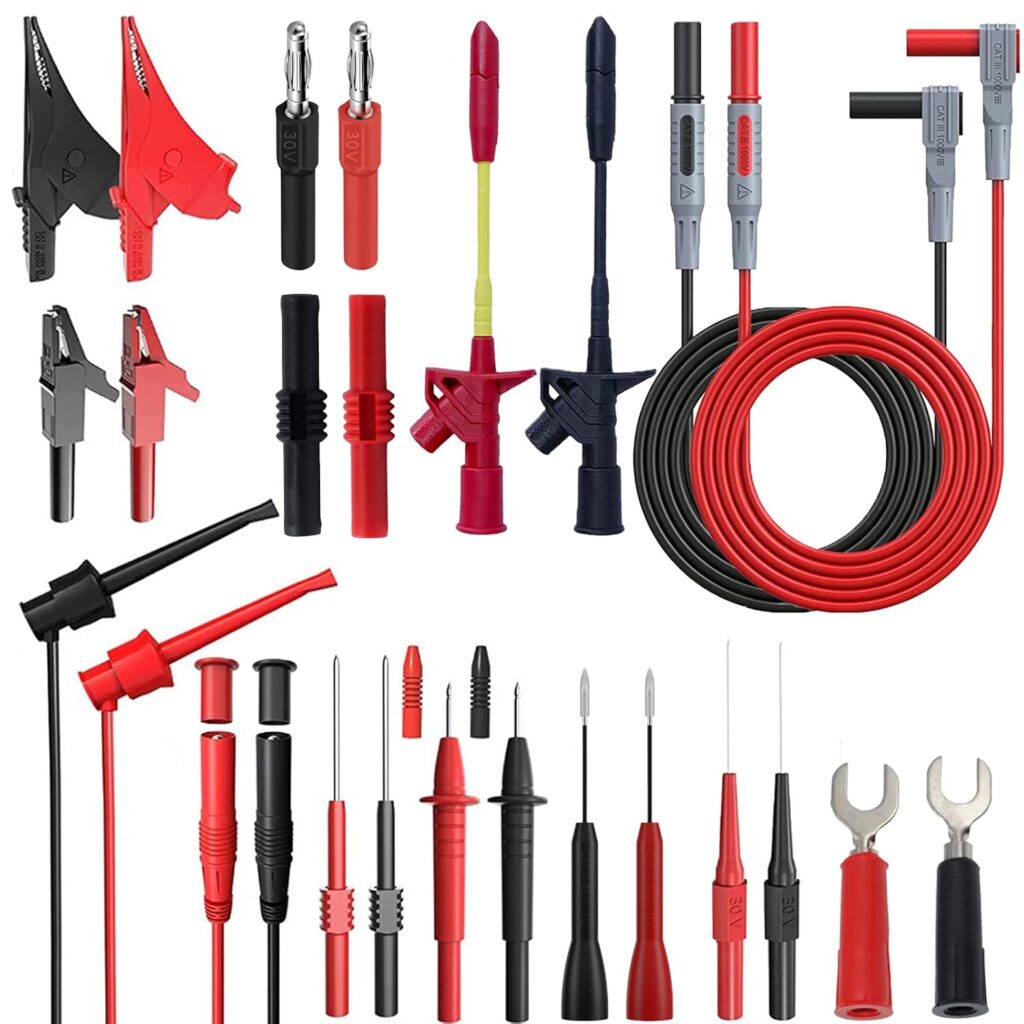
You’ll learn in the future about back probing, it will probably be in the next section of this series. Basically, you never want to shove anything at the front of a connector because you can make pin tension or make it so a connector is not seated properly when connected. All that we will get into in the next installment of this series.
Thank you if you are still reading this. I’m going to figure out which route to take for the other parts of this series and see how in-depth I want to get.